In the lineage of Erik Satie · Claude Debussy · Ludovico's quiet school · Federico Mompou · Harold Budd
FAQ
What am I actually hearing?
Mostly piano, in calming neoclassical. Influences somewhere in the background: Erik Satie, Claude Debussy, Ludovico's quiet school.
Who's it for?
Anyone who needs sanctuary for half an hour. That's the whole audience I'm writing for.
What order should I listen in?
However you like — but the records are built to be heard whole, start to finish, in one sitting if you have it.
What should I put this on for?
It's made for resilience and quiet attention — reading, working late, the last hour of a day. Play it low; it was made low.
Where was this recorded?
In small rooms, close-mic'd. The room is part of the sound; that's deliberate.
The story
Music made as sanctuary — turning a difficult beginning into quiet hope.
I write calming neoclassical on the piano. Mostly it's about resilience and a hard start — ordinary things, made a little more visible.
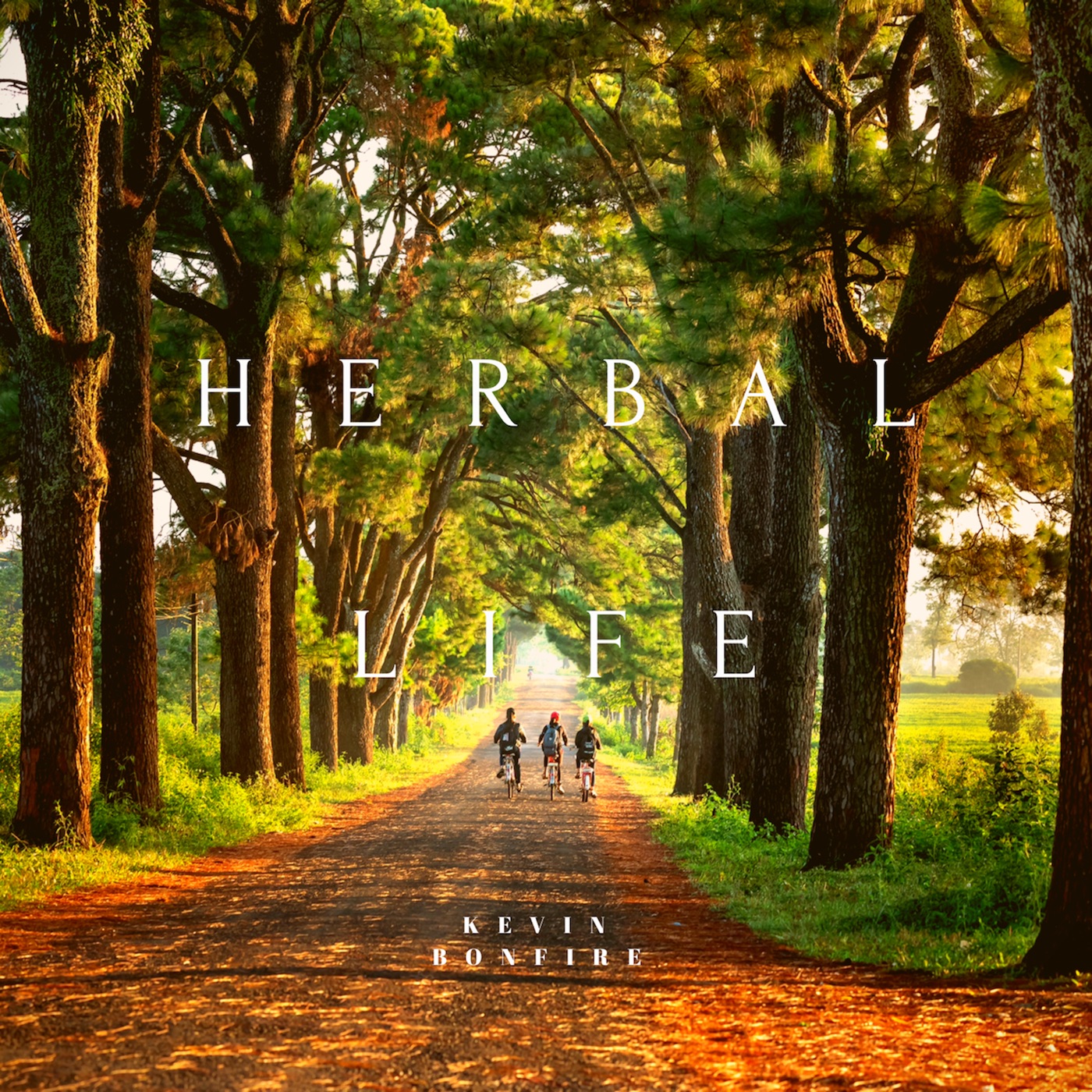
There are a handful of records — “Herbal Life” — and they belong together.
On stage
Plays now and then, small rooms only, mostly around the UK — a hall, a back room, sometimes someone's front room. Nothing big. If you'd like to host one, get in touch.